
When it comes to creating smooth, durable, and aesthetically appealing interior walls, homeowners and builders in India are increasingly choosing gypsum plaster over conventional sand-cement plaster. Its faster application, minimal maintenance, and superior finish make it a preferred solution for modern residential and commercial projects.
However, like every construction material, gypsum plaster comes with both strengths and limitations. Understanding the advantages and disadvantages of gypsum plaster helps homeowners, architects, and contractors make informed decisions based on the project’s requirements.
In this blog, we’ll explore the key benefits, limitations, and best practices for successful gypsum plaster application.
What Is Gypsum Plaster?
Gypsum plaster is a ready-made building material for interiors. It is made from processed gypsum—calcium sulphate hemihydrate—and is used to give interior walls and ceilings a smooth finish. It is mixed with water to form a paste that sets quickly, creating a smooth surface ready for painting. Unlike conventional plaster, it is designed for faster application and offers an excellent finish, ease of application, and thermal insulation properties.
Top 5 Gypsum Plaster Advantages for Seamless Interior Walls
The growing popularity of gypsum plaster is driven by several performance and productivity benefits. Below are the major gypsum plaster advantages that make it an ideal choice for Indian interiors.
1. No Long Curing Period Required
One of the biggest advantages of gypsum plaster is that it does not require water curing, unlike sand-cement plaster, which generally requires curing for 21 days.
This means:
• Significant water savings
• Reduced labour dependency
• Faster project completion timelines
Products such as HomeSure GypEx Silver Plaster and HomeSure GypEx Machine Spray Plaster by Walplast are known for their quality and strength.
2. Lightweight and Structurally Advantageous
Gypsum plaster is up to 50% lighter than sand-cement plaster, which means buildings do not have to carry as much weight.
This is especially helpful for:
• High-rise buildings
• Large ceiling applications
3. Resistant to Drying Shrinkage Cracks
Unlike cement plaster, gypsum plaster has a low heat of hydration. This significantly reduces drying shrinkage, making the finished surface far less prone to cracks.
Compared to cement plaster, gypsum plaster:
• Does not shrink significantly
• Minimises surface cracks
• Maintains its integrity over time
4. Faster Project Completion
Speed is one of the strongest gypsum plaster advantages for modern construction.
Traditional plaster takes much longer to become paint-ready than gypsum plaster:
• Initial setting time: approximately 15–20 minutes
• Paint-ready surface: within 3–4 days, depending on the thickness and humidity
This significantly reduces construction timelines compared to conventional plaster systems, helping builders complete projects faster and minimise delays.
5. Better Thermal Insulation
Gypsum naturally has low thermal conductivity, making it an effective insulating material.
By reducing heat transfer through interior walls, gypsum plaster helps maintain cooler indoor temperatures during hot Indian summers. This can lower the workload on air-conditioning systems, potentially contributing to reduced electricity consumption and improved indoor comfort.
Top 5 Gypsum Plaster Disadvantages Every Indian Builder Must Understand
Although gypsum plaster offers numerous benefits, understanding its disadvantages is equally important before selecting it for your project.
1. Suitable Only for Interior Areas
One of the primary disadvantages of gypsum plaster is that it is intended exclusively for interior applications.
Gypsum plaster cannot withstand continuous exposure to rain, sunlight, and changing weather conditions. Therefore, it should not be used on exterior walls or exposed building surfaces.
2. Not Recommended for Wet Areas
Standard gypsum plaster should be avoided in areas with constant moisture exposure, such as bathrooms, shower areas, and certain utility spaces. However, a new generation of advanced moisture-resistant gypsum plasters is now available for areas requiring enhanced moisture protection.
3. Limited Shelf Life
Gypsum plaster has a relatively short shelf life of approximately three to four months when stored under recommended conditions.
Builders should carefully plan procurement schedules and avoid excessive stockpiling, as expired material may lose its performance characteristics.
4. Slightly Higher Initial Material Cost
Compared to basic, locally available sand and cement used for conventional plastering, gypsum plaster generally involves a somewhat higher initial material cost.
However, this higher material cost is often offset by savings in curing water, reduced labour, elimination of wall putty, and shorter project timelines.
5. Requires Skilled Application
Gypsum plaster sets rapidly, typically within approximately 30 minutes of mixing.
Because of this fast setting time, applicators must work efficiently and achieve accurate levelling during application. Hiring trained and experienced plastering professionals helps ensure a smooth finish while minimising material wastage.
Professional Guidelines for Successful Interior Gypsum Plaster Application
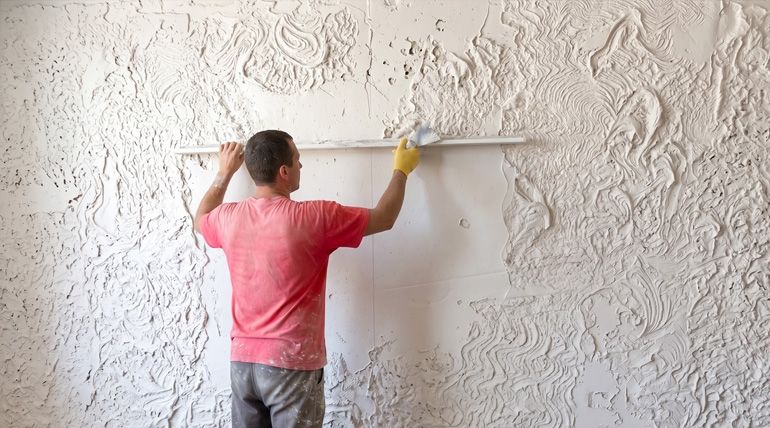
Proper gypsum plaster application practices help maximise durability, finish quality, and overall project performance.
Prepare the Surface Properly
Before application, clean the brick or block substrate thoroughly to remove loose dust, dirt, oil, and other contaminants. If the surface is highly absorbent, lightly pre-wet it to control suction. Avoid excessive wetting, as standing water can affect plaster performance.
Store Gypsum Plaster Correctly
Store gypsum plaster bags in dry, leakproof storage spaces. The bags should always be placed on elevated wooden platforms rather than directly on the floor to prevent moisture absorption and preserve product quality throughout the storage period.
Choose the Right Gypsum Plaster
The overall performance of any plastering project depends on both proper workmanship and the quality of the material used. For consistent workability, reliable performance, and smooth interior finishes, choose a high-quality gypsum plaster designed for modern construction requirements.
HomeSure’s range of GypEx Gypsum Plaster is GreenPro certified. To read more – https://www.constructionworld.in/cement-news/walplast—s-gypex-range-secures-greenpro-certification/87387
Conclusion
Understanding the advantages and limitations of gypsum plaster helps homeowners, architects, and builders choose the right plastering solution for their projects.
With benefits such as no water curing, faster project completion, smooth paint-ready surfaces, crack resistance, and better thermal insulation, gypsum plaster offers an efficient and dependable solution for modern interiors. While factors such as application area, moisture exposure, storage, and skilled workmanship must be considered, these can be effesctively managed through proper product selection and recommended application practices.
When chosen and applied correctly, gypsum plaster creates smooth, durable, and aesthetically appealing interiors while saving water, reducing finishing time, and improving overall construction efficiency.