
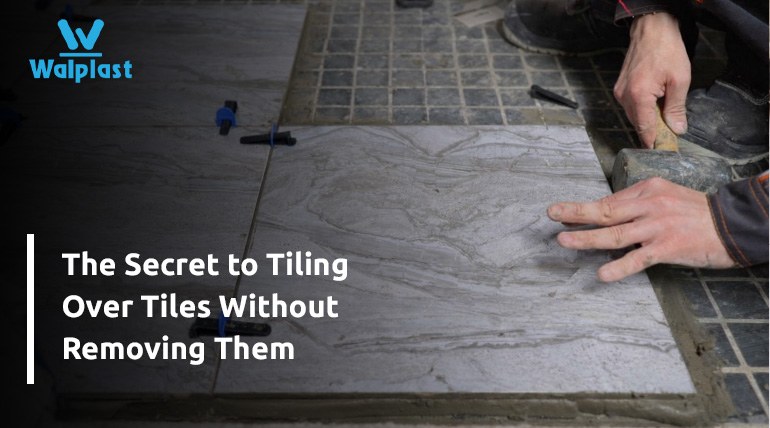
Renovating a space often feels difficult because removing old tiles can be messy, time-consuming, and expensive. The good news is that you do not always need to break or remove existing tiles to upgrade your floors or walls.
With the right tile adhesive, you can easily install new tiles over old ones and achieve a strong and long-lasting finish.
The real secret lies in using the correct tile on tile adhesive. When done properly, tile-on-tile installation saves time, reduces waste, and delivers professional results.
Let’s understand how it works and why choosing the best tile adhesives matters.
Key Insights
● Tile-on-tile installation helps avoid tile removal and reduces renovation time.
● Existing tiles must be firmly fixed and free from cracks or hollow areas.
● Tile-on-tile adhesive is polymer-modified and designed to bond to smooth, non-porous surfaces.
● Cement is not recommended because it fails to provide reliable bonding in tile-on-tile work.
● Proper surface cleaning and preparation are essential for strong adhesion.
● Using the best tile adhesives improves durability and long-term performance.
● Correct application helps achieve a professional and long-lasting finish.
Can You Tile Over Existing Tiles?
Yes, tiling over existing tiles is possible in many cases. This method works well when the old tiles are firmly fixed, crack-free, and level. The surface should not have loose tiles, hollow sounds, or major damage.
Tile-on-tile installation is commonly used in homes, offices, and renovation projects where quick upgrades are needed without demolition. However, proper surface preparation and the right tile adhesive are essential for success.
What is Tile-on-Tile Adhesive?
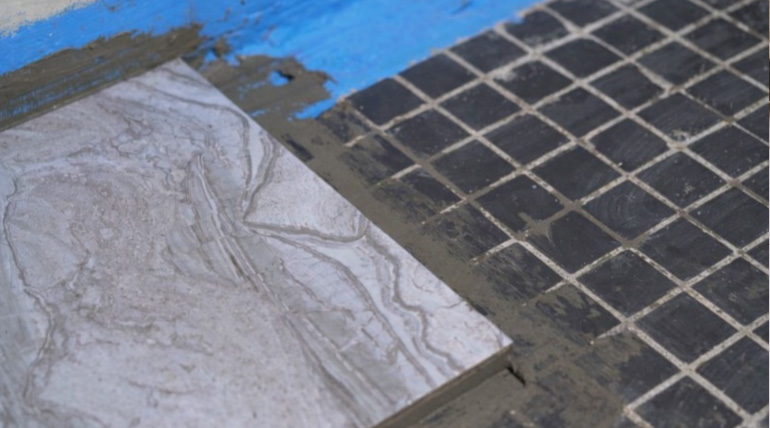
Tile-on-tile adhesive is a specially formulated tile adhesive designed to bond new tiles onto existing tiled surfaces. Unlike regular cement, it has stronger bonding properties that work well on smooth and non-porous surfaces.
This type of tile adhesive provides better grip, flexibility, and durability. It ensures that new tiles stay firmly in place even when applied over old tiles.
Why Tile Adhesive is the Secret to Tile-on-Tile Installation?
Old tiles have a smooth and low-absorption surface, which makes cement ineffective. Tile adhesive is designed to overcome this challenge.
Tile adhesive offers strong bonding on smooth surfaces and adapts to slight movement or temperature changes. This makes it the key material that allows tile-on-tile installation to work reliably and safely.
Benefits of Tiling Over Tiles Using Tile Adhesive
Here are some of the benefits of tiling over tiles using tile adhesive:
● It saves time because you do not need to remove the old tiles first.
● It reduces dust and mess since there is no tile breaking or heavy demolition.
● It lowers renovation costs because labour and disposal work becomes less.
● It makes the work faster, so the space can be used again sooner.
● It gives strong bonding when the right tile on tile adhesive is used.
● It helps achieve a clean and even finish with proper leveling.
● It creates less construction waste, which makes renovation more convenient.
● It works well for quick upgrades in kitchens, bathrooms, and other interior areas.
Choosing the Best Tile Adhesives for Tile-on-Tile Work
Here is how you can choose the best tile adhesive for tile-on-tile work:
● Pick a tile adhesive that is specially formulated for tile-on-tile use to ensure strong bonding on smooth surfaces.
● Choose products with high bonding strength so new tiles stay firmly fixed over existing tiles.
● Look for adhesives that offer good flexibility to handle slight movement or temperature changes.
● Make sure the adhesive is suitable for the type and size of tiles you are installing.
● Water-resistant or moisture-proof adhesives are ideal for wet areas like bathrooms and kitchens.
● Quick-setting or fast-drying adhesives can speed up the installation process.
● Always follow the manufacturer’s instructions for mixing and application to get the best results.
● Using trusted brands and certified products helps ensure better performance and long-term durability.
HomeSure TileEx Product Guide — Which Adhesive to Use?
Walplast’s HomeSure TileEx range offers a complete set of polymer-modified tile adhesives suitable for tile-on-tile installations depending on tile size, substrate, and application area. Here is a quick one-liner guide to each product:
TileEx EX-11 Ceramic Expert – Ideal for fixing ceramic and clay tiles in internal dry areas with strong basic bonding performance.
TileEx EX-22 Vitrified Expert – Polymer-modified adhesive for vitrified and semi-vitrified tiles on walls and floors, suitable for both indoor and outdoor use.
TileEx EX-33 Stone & Glass Expert – High-strength adhesive designed for large vitrified tiles, natural stone, and glass mosaic installations, including wet and submerged areas.
TileEx EX-44 External Expert – Flexible, water- and slip-resistant adhesive for exterior applications, wet areas, and high-exposure surfaces.
TileEx EX-55 All Tile Expert – A premium, highly polymerized adhesive suitable for all tile types and substrates including drywall, wood, and commercial heavy-duty areas.
Note: HomeSure TileEx products from EX-22 to EX-55 can be used effectively for tile-on-tile installations depending on tile size, surface condition, indoor/outdoor usage, and substrate type.
For complete technical details and product specifications, please refer to the official Walplast website https://www.walplast.com/brands/homesure-tileex-tile-adhesive/
Tile-on-Tile Installation Process
Here is a tile-on-tile installation process that you should always keep in mind:
● Inspect the existing tiles to make sure they are firmly fixed and free from cracks or hollow areas.
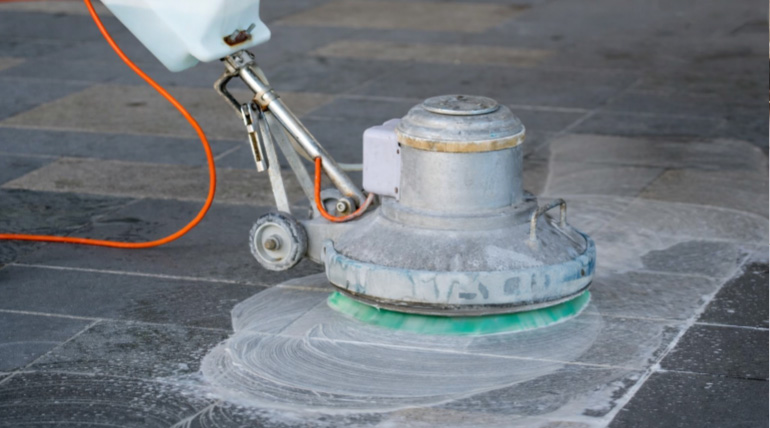
● Clean the surface thoroughly to remove dust, grease, soap residue, and stains.
● Lightly roughen the tile surface.
● Mix the tile adhesive as per the instructions to achieve the right consistency.
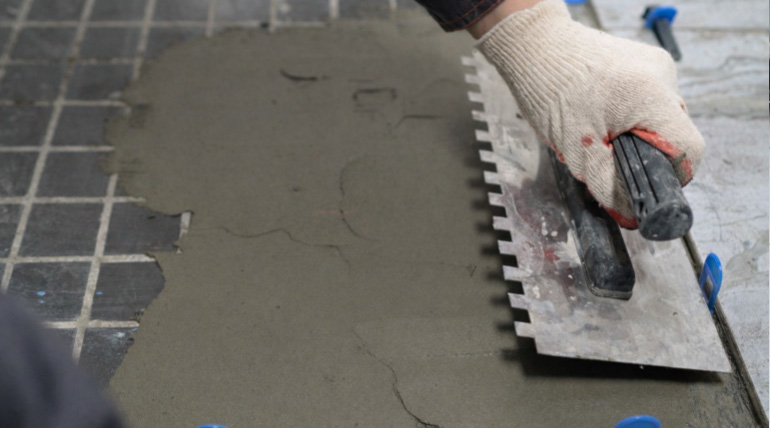
● Apply the tile-on-tile adhesive evenly using a notched trowel.
● Place the new tiles carefully and press them firmly for proper bonding.
● Maintain proper spacing between tiles using spacers.
Common Mistakes to Avoid in Tile-on-Tile Installation
Here are some of the common mistakes to avoid in tile-on-tile installation:
● Using cement instead of tile adhesive can lead to improper bonding on smooth tile surfaces.
● Installing new tiles over existing tiles that are loose, cracked, or emit hollow sounds is a common mistake to avoid.
● Skipping proper surface cleaning, which can weaken the adhesive bond.
● Selecting a tile adhesive unsuitable for tile-on-tile applications.
● Applying tile adhesive unevenly or too thickly can affect tile leveling and strength.
● Ignoring proper tile spacing, which can lead to alignment and expansion issues.
● Not following the manufacturer’s instructions for mixing, application, and curing.
Tile Adhesive vs Cement for Tile-on-Tile Work
Here are some of the differences between tile adhesive and cement used for tile on tile work:
● Bonding on old tiles: Tile adhesive is made to stick strongly on smooth, non-porous tile surfaces, while cement does not bond well on existing tiles.
● Risk of tile detachment: Tile adhesive reduces the chances of tiles coming loose, while cement can lead to debonding over time.
● Hollow tile problem: Tile adhesive gives better coverage and grip, which helps prevent hollow sounds, while cement often creates hollow patches if not applied perfectly.
● Flexibility: Tile adhesive is more flexible and can handle minor movement and temperature changes, while cement is rigid and may crack.
● Application thickness: Tile adhesive works in a thin, even layer, while cement usually needs a thicker bed, which can affect leveling.
● Finish quality: Tile adhesive supports better leveling and alignment, while cement can result in uneven tiles and poor finishing.
● Durability: Tile adhesive is more reliable for long-term performance in tile-on-tile projects, while cement is not recommended for this method.
Conclusion
Tiling over existing tiles is a smart, modern, and efficient renovation technique. It saves time, reduces mess, and eliminates the need for breaking old tiles. The most important factor is using a high-quality tile adhesive designed for tile-on-tile application.
Walplast’s HomeSure TileEx range—from EX 22 to EX 55—provides reliable solutions for all types of tile-on-tile installations, whether it’s small indoor tiles or large-format outdoor tiles. You simply need to choose the right product based on tile size, substrate, and application area.
With the correct adhesive, proper preparation, and professional application, you can achieve a strong, durable, and beautifully finished surface without removing old tiles.