
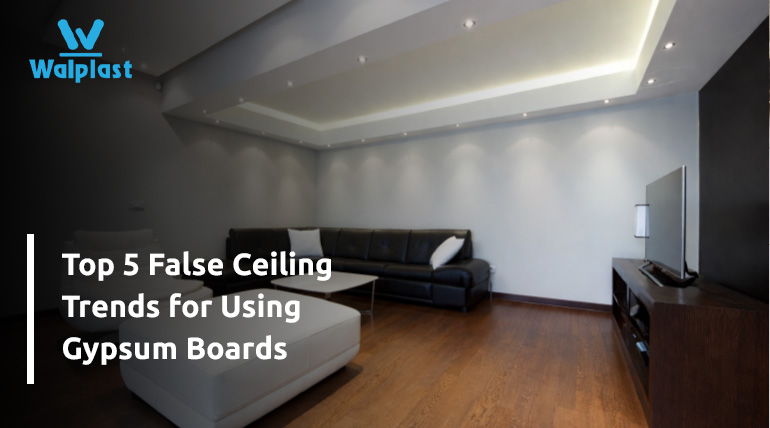
False ceilings are no longer just decorative add-ons. They are an important part of interior design, shaping lighting, acoustics, functionality, and the overall experience of a space. At the center of this evolution are gypsum boards, which offer design flexibility, faster installation, and performance benefits that traditional materials often struggle to match.
From modern homes to compact apartments, gypsum-board-based false ceiling designs are setting new standards for efficiency and aesthetics.
Key Insights
• False ceilings are shifting from decorative elements to functional design features that influence lighting, acoustics, and comfort.
• Gypsum boards are becoming the preferred material due to their design flexibility, clean finishes, and faster installation compared to traditional POP systems.
• Minimalist coves with straight lines and recessed details are replacing heavy, ornate ceiling designs.
• Integrated lighting systems are easier and more precise to execute with gypsum boards.
• Multi-level ceilings are being used to define open layouts without adding walls.
• Dry construction methods allow ceilings to be completed faster, reducing interior timelines and labor dependency.
• Gypsum boards are no longer just a material choice; they are becoming the foundation of modern false ceiling design.
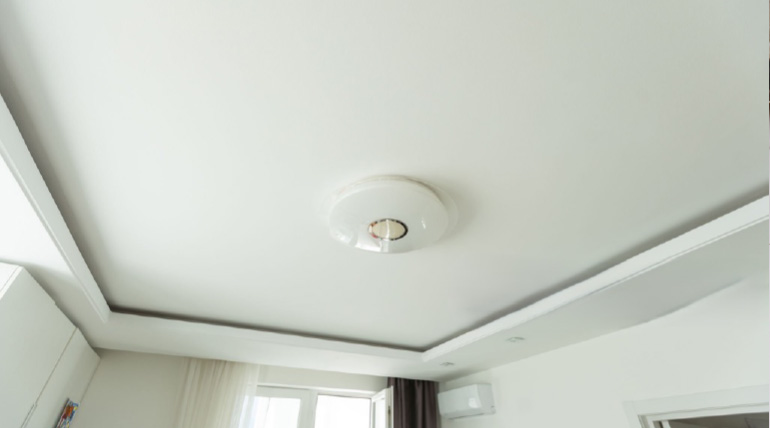
1. Minimalist Coves: Clean Lines Over Heavy Designs
One of the biggest shifts in false ceiling design is the move away from ornate, heavy POP patterns toward minimalist gypsum board coves. Straight lines, recessed edges, and subtle depth are replacing layered decorative mouldings.
Gypsum boards allow precise cutting and sharp finishes, making it easier to achieve:
• Sleek perimeter coves
• Floating ceiling effects
• Seamless transitions between ceiling and wall
This approach works particularly well in modern living room layouts, where simplicity enhances the sense of openness and elegance. Instead of overwhelming the room, ceilings now complement the architecture.
2. Integrated Lighting as a Design Element
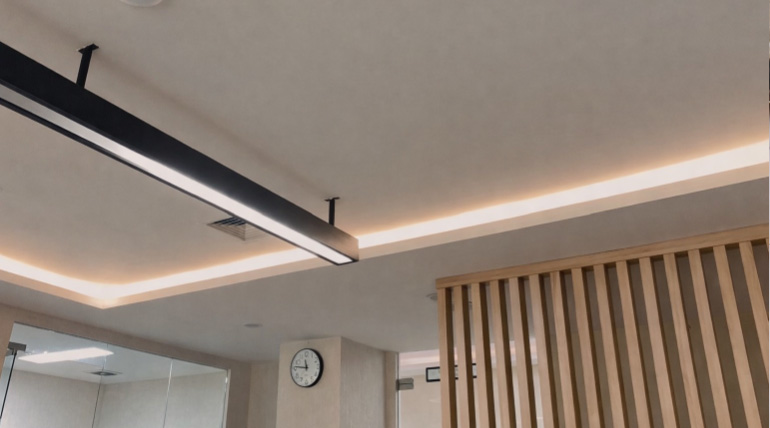
Lighting is now an integral part of ceiling design, not just an afterthought. Gypsum boards make it easy to integrate different lighting systems directly into the ceiling structure.
Popular lighting integrations include:
• Linear profile lights within coves
• Track lighting for flexible illumination
• Concealed LED strips for ambient glow
Gypsum boards can be cut, shaped, and finished cleanly around lighting profiles, ensuring smooth edges and professional results. This level of detailing is difficult to achieve with traditional plaster systems, making gypsum boards the preferred choice for lighting-driven ceiling concepts.
3. Multi-Level Ceilings for Space Zoning
Open layouts are common in modern homes, where living, dining, and kitchen areas flow into one another. Instead of using walls to define spaces, designers are now using multi-level gypsum ceilings to create subtle zoning.
Different ceiling heights or layered sections can:
• Visually separate functional areas
• Highlight dining tables or seating zones
• Add depth without clutter
Gypsum boards make these stepped or layered designs easier to execute with precision and structural stability. This allows designers to create visual hierarchy while maintaining an open, airy feel.
4. Acoustic Comfort Built Into the Ceiling
As homes become more compact and multifunctional, managing sound has become increasingly important. Gypsum board ceilings are being designed not just for appearance, but also for acoustic performance.
When combined with insulation materials above the ceiling grid, gypsum boards can:
• Reduce echo in living and dining areas
• Improve sound control in bedrooms and home offices
• Enhance overall indoor comfort
Ceilings are no longer passive surfaces. They actively contribute to comfort and well-being inside the home.
5. Speed of Installation: Faster Interiors, Quicker Handover
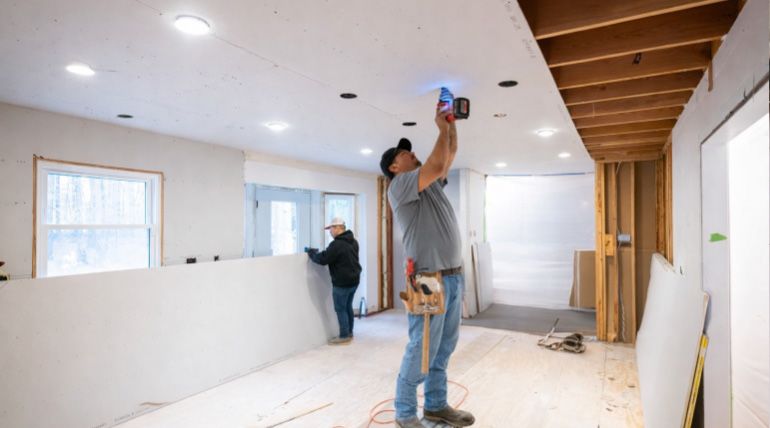
Time efficiency is a major factor shaping ceiling choices. Gypsum board systems allow dry installation, which significantly reduces project timelines compared to traditional methods.
Modern gypsum board solutions, like those made by trusted brands like Walplast, can usually finish a standard 2BHK false ceiling in 2 days. This includes framing, board fixing, joint finishing, and readiness for painting.
Faster installation means:
● Shorter interior timelines.
● Reduced labor dependency.
● Earlier move-in or handover.
For both homeowners and developers, speed without compromise has become a key advantage.
Why Gypsum Boards Are Defining Modern Ceiling Design
There is a clear shift in priorities toward simplicity, performance, comfort, and efficiency in the false ceiling trends of 2026. Gypsum Boards enable this transition by offering design flexibility, easy integration with lighting and acoustics, and reliable performance across different spaces.
Changing ideas about what should be in a room mean that gypsum boards are no longer just a choice of material; they are now the basis of modern ceiling design.
Conclusion
False ceiling design is increasingly driven by clarity, performance, and efficiency rather than heavy decoration. Homeowners and designers are moving toward solutions that integrate lighting seamlessly, improve comfort, and adapt to different functional needs across spaces. Gypsum Boards support this shift by offering design flexibility, cleaner finishes, and faster installation timelines.
From minimalist coves in living rooms to moisture-resistant ceilings in bathrooms and acoustically enhanced spaces for work and relaxation, gypsum board systems allow ceilings to do more than just look good. As interior projects continue to prioritize speed, durability, and long-term performance, gypsum boards are becoming the preferred foundation for modern false ceiling design.