
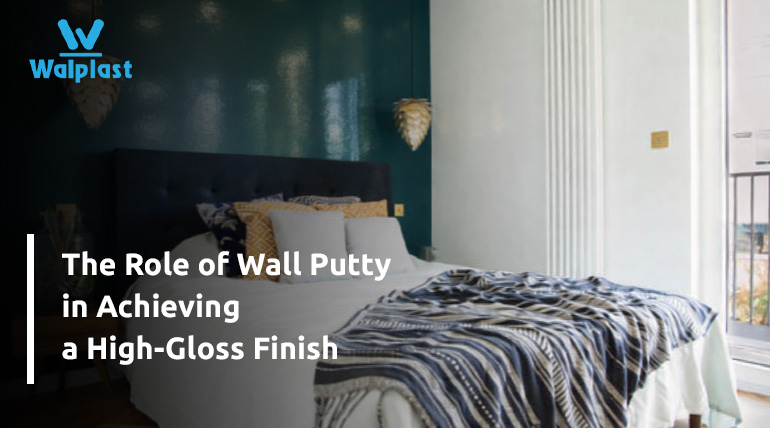
High-gloss wall finishes are becoming a popular choice in modern interiors because they make space look bright, stylish, and elegant. Glossy walls reflect light well and help colours appear more vibrant.
However, getting a smooth and shiny finish is not just about using good-quality paint. The condition of the wall surface plays an equally important role.
This is where wall putty becomes essential. Wall putty helps prepare the wall by smoothing out small cracks, dents, and uneven areas. When wall putty for interior walls is applied properly, it creates a clean and even base for paint.
This allows high-gloss paint to spread evenly, shine better, and last longer. Understanding the importance of wall putty is the first step toward achieving a flawless and long-lasting glossy finish.
Key Insights
- High-gloss paint highlights every small imperfection on the wall surface.
- Wall putty creates a smooth and even base that glossy paint needs.
- Proper use of wall putty improves the shine and appearance of paint.
- Wall putty helps paint stick better and last longer.
- It reduces paint absorption, resulting in better coverage and lower paint consumption.
- Wall putty helps prevent patchy and uneven paint results.
- Using wall putty for interior walls leads to cleaner and more professional finish.
What is wall putty?
Wall putty is a white, smooth material used on walls before painting. It helps make the wall surface even and clean. Wall putty fills small cracks, holes, and rough patches so the wall looks smooth.
For interior walls, wall putty is very important. It helps paint stick better to the wall and gives a neat finish. It also reduces how much paint the wall absorbs, which allows the paint last longer.
There are two common types of wall putty. Cement-based wall putty is used to prepare strong wall surfaces. Acrylic wall putty is used to get a finer and smoother finish before painting.
Quality wall putty from trusted manufacturers like Walplast helps create a smooth base that supports long-lasting and high-gloss paint finishes.
Understanding High-Gloss Paint Finishes
High-gloss paint is a type of paint that gives a very shiny and reflective look. It reflects a lot of light, so walls appear brighter and cleaner. This finish is often used when you want a modern and premium look in interior spaces.
High-gloss paint also makes colors look deeper and more vibrant. But it has one drawback. It shows surface problems very easily. Small cracks, dents, and rough patches become more visible because the glossy surface reflects light.
That is why wall preparation is important before using high-gloss paint. A smooth wall surface helps the paint look even, shiny, and professional.
Why is Wall Putty Essential for High-Gloss Finishes?
Here is why wall putty is essential for high gloss finishes:
- High-gloss paint reflects a lot of light and highlights surface flaws.
- Small cracks, dents, and uneven areas become more visible with glossy paint.
- Wall putty fills minor cracks and holes in the wall.
- It smooths out rough and uneven surfaces.
- A smooth surface helps high-gloss paint spread evenly.It reduces paint absorption, resulting in better coverage and lower paint consumption.
- Wall putty improves paint adhesion and reduces peeling.
- It lowers paint absorption, which can reduce the number of paint coats needed.
- It helps achieve a clean, uniform, and long-lasting glossy finish.
Key Benefits of Using Wall Putty for Interior Walls
Here are some of the key benefits of wall putty for interior walls:
- Wall putty makes interior walls smooth and even by covering rough patches and uneven areas.
- It fills small cracks, pores, and minor holes that can affect the final paint finish.
- Wall putty creates a clean and uniform base that helps paint look neat and consistent.
- It improves paint adhesion so the paint stays firmly attached to the wall.
- Wall putty enhances the shine and overall appearance of the final paint coat.
- It helps wall colours appear even and balanced across the entire surface.
- It reduces paint absorption, resulting in better coverage and lower paint consumption, which helps save paint and cost.
- It prevents patchy, dull, or uneven paint results after drying.
- Wall putty increases the durability of paint and reduces peeling or flaking over time.
- It gives interior walls a polished, professional, and long-lasting finish.
Wall Putty Application Process for Best Results
Here is the application process that you need to follow for the best results:
- Clean the wall surface to remove dust, grease, and loose particles before application.
- Repair major cracks or holes so the surface is stable and ready for putty.
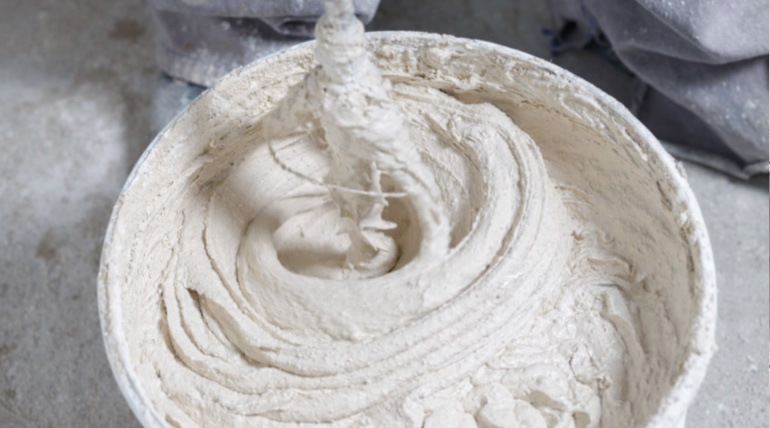
- Mix the wall putty as per instructions to get a smooth and lump-free paste.
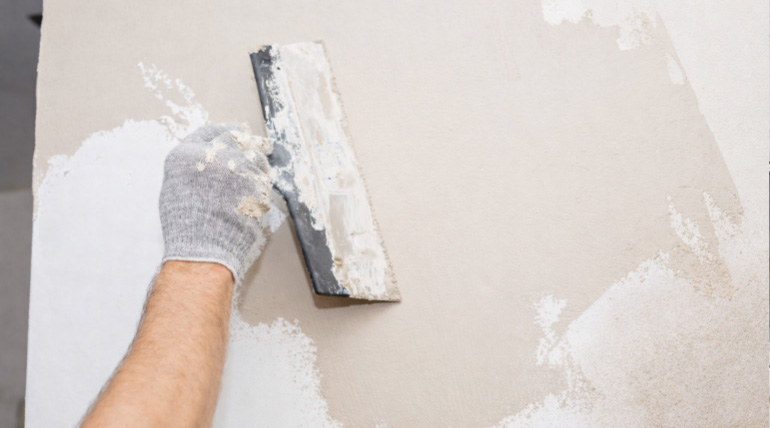
- Apply wall putty in thin and even coats using a putty knife or trowel.
- Allow the first coat to dry completely before applying the next coat.
- Lightly sand the surface after drying to achieve a smooth finish.
- Remove sanding dust so the wall is clean before painting.
- Apply a primer after the wall putty to prepare the surface for paint.

Common Mistakes to Avoid
Here are some common mistakes to avoid when using wall putty for interior walls:
- Skipping wall putty and painting directly on uneven or rough surfaces.
- Applying wall putty on walls that are dusty, oily, or damp.
- Using very thick coats instead of thin and even layers.
- Not allowing proper drying time between coats.
- Ignoring sanding, which helps achieve a smooth surface.
- Choosing low-quality wall putty affects durability and finish.
- Applying paint without using a primer over the wall putty.
- Rushing the process can reduce the quality of the final finish.
Wall Putty vs. without Wall Putty: A Quick Comparison
With Wall Putty
When wall putty is used, the surface becomes smooth and even before painting. Paint spreads easily and looks uniform across the wall. High-gloss finishes appear cleaner and shinier because surface defects are minimized. Paint adheres better to the wall, which helps reduce peeling and flaking. Wall putty also lowers paint absorption, so fewer coats are needed. Overall, the finish looks neat, professional, and lasts longer.
Without Wall Putty
When wall putty is not used, the wall surface often remains rough and uneven. Paint may look patchy and inconsistent after drying. High-gloss paint highlights cracks, dents, and surface flaws. Paint adhesion is weaker, which can lead to early peeling or damage. More paint may be required to cover the wall properly, and the final finish may appear dull and less durable.
Conclusion
Achieving a smooth and high-gloss finish is not only about choosing the right paint. Proper wall preparation plays a key role in the final result. Wall putty helps create a smooth, even, and clean surface that allows paint to perform at its best.
Using wall putty for interior walls improves paint adhesion, enhances shine, and increases durability. It also reduces paint consumption and prevents common issues like patchiness and peeling. By applying wall putty correctly and avoiding common mistakes, you can achieve a professional-looking, long-lasting, high-gloss finish that enhances the overall appearance of your interior spaces.
And this is where selecting the right putty makes all the difference. Walplast offers a comprehensive range of wall putties under its HomeSure brand, each designed to meet different surface preparation needs and deliver superior finishing results. HomeSure Premium Putty is a water-resistant putty ideal for moisture-prone areas, helping improve surface durability and preventing dampness-related issues. HomeSure Coarse Putty is specially developed for leveling uneven walls and filling larger undulations, creating a uniform base before applying the final finish. HomeSure Colour Putty provides a tinted, smooth surface that enhances paint vibrancy and reduces the need for multiple coats, ensuring a richer and more consistent appearance. Together, these variants allow homeowners and contractors to choose the right putty based on wall conditions and desired finish quality.
paint adhesion and enhances the final finish.