
When it comes to finishing internal walls and ceilings, the debate between gypsum plaster and cement plaster often revolves around one question: Which is better?
Several factors come to mind—material costs, labour shortages, sustainability, ideal plastering solution, performance, budgets, durability, and ease of application.
Both materials have been widely used in India, but their performance, cost, application process, and environmental footprint differ significantly. This guide breaks down these differences to help you choose a smarter, long-term solution for modern construction.
What Is Cement Plaster?
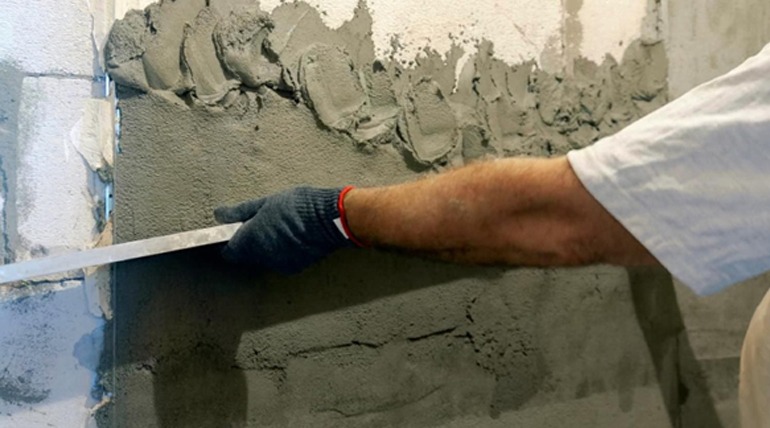
Cement plaster is made of cement, sand, and water, applied in one or more coats. Because it is strong and easily available, it has been the standard way to finish walls in India for decades.
However, it requires:
- Multiple layers
- Adequate storage space
- Quality raw material (sand)
- 7–28 days curing time
- Skilled labour
- Accurate mixing proportions
While cement plaster is commonly used for its hardness and availability, it has some drawbacks such as shrinkage cracks, heavy weight, inconsistent sand quality, and longer construction time.
What Is Gypsum Plaster?
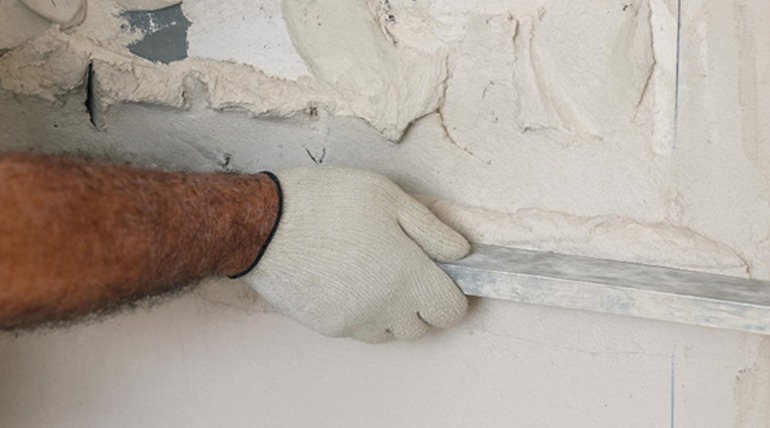
Gypsum plaster is manufactured from natural gypsum mineral found in gypsum mines. After calcination, it becomes calcium sulphate hemihydrate, which later sets as calcium sulphate dihydrate.
Key advantages include:
- Smooth, premium finish
- Faster application
- Lightweight material
- Crack resistance (no shrinkage)
- No Shrinkage
- Naturally fire-resistant
High-quality products like Homesure GypEx Silver Plaster ensure a level surface, excellent adhesion, and a superior finish without the need for putty.
Gypsum Plaster vs Cement Plaster: Head-to-Head Comparison
- Cost-Effectiveness: Which One Saves More Money?
Cement Plaster
- Requires multiple layers (plaster + putty).
- Heavy material consumption (cement, sand).
- Longer curing period increases timelines and labour costs.
- More waste due to mixing errors and rebound loss.
Gypsum Plaster
- Single-layer application (no need for putty)
- No curing required, saving water and reducing project duration
- Lightweight material reduces dead load on the building
- Factory-mixed for consistent quality and minimal waste
- Faster application, reducing labour time by 50–70%
Verdict:
Gypsum plaster is more cost-effective overall, especially when considering labour savings, zero curing, reduced project delays, and minimal wastage. Less weight means less structural load, reducing steel and concrete requirements. The result: lower costs and smarter design for modern construction.
- Sustainability & Environmental Impact
Cement Plaster
- Requires river sand extraction (environmentally harmful).
- High carbon footprint from cement manufacturing.
- Heavy water requirement for curing.
- More waste generation.
Gypsum Plaster
- Low-carbon manufacturing process.
- Zero curing = massive water conservation.
- Lightweight, reducing structural load.
- Recyclable and eco-friendly material.
If being environmentally friendly is important to you, gypsum plaster is a much better choice. Products like Homesure GypEx Machine Spray Plaster also cut down on worker fatigue and waste, which supports green building practices even more.
3. Speed of Application
Delays in construction make projects more expensive. Here’s how the two materials compare:
Cement Plaster
Takes 7–28 days to cure
Requires skilled masons for mixing, levelling, curing, and finishing
Slows down subsequent interior work like painting
Gypsum Plaster
Dries within 24–72 hours (for 15 mm thickness)
Can be painted sooner, speeding up entire project timelines
Easy to apply, with machine spray options for large-scale projects
Being 50% lighter than conventional plaster, it is preferred for high-rise internal plastering
Offers additional benefits like fire resistance and sound insulation
Result:
Gypsum plaster significantly speeds up construction, making it ideal for fast-track residential and commercial projects.
- Finish Quality & Aesthetics
Cement Plaster
- Surface tends to be uneven due to manual sand-mixing variations.
- Requires putty for a smooth, paint-ready finish.
- Higher risk of cracks and shrinkage.
Gypsum Plaster
- Delivers a naturally smooth, white, and crack-free finish.
- Provides a premium surface ready for paint without additional layers.
- Works extremely well for intricate cornices, ceilings, and interior décor.
If you want your home to look modern, smooth, and high-end, gypsum is the best material for the job.
- Durability & Long-Term Performance
Cement Plaster
- Strong but heavy.
- Higher risk of shrinkage cracks.
- Can detach from walls if curing is poor.
Gypsum Plaster
- Crack-resistant due to low thermal expansion.
- Excellent bonding strength.
- Lightweight, reducing stress on structural members.
Key Insights
- Gypsum plaster cuts down on project time by up to 70% because it doesn’t need to cure and dries quickly.
- Since it doesn’t need to be cured, it uses 100% less water, which is a big plus for sustainability.
- A lot less material is wasted, especially when machine spray solutions like HomeSure GypEx Spray Plaster are used.
- Cement plaster seems cheaper at first, but it ends up costing more because of labor, time, curing, putty, and delays.
- Gypsum plaster makes sure that the finish is smooth and doesn’t have any extra layers, cracks, or other problems on the surface.
- It works best inside, while cement plaster is better for walls outside that will be exposed to weather. When used on large projects, gypsum plaster for walls cuts down on carbon emissions and speeds up the building process,
Final Thoughts
When comparing cost-effectiveness, sustainability, finish quality, and long-term performance, gypsum plaster clearly outperforms cement plaster for interior applications. Whether you are building a home, renovating a commercial space, or working on a high-rise project, gypsum delivers faster, cleaner, and more environmentally responsible results.
Gypsum is the better choice for modern construction because high-quality options like HomeSure GypEx guarantee consistent performance, superior surfaces, and long-lasting durability.
FAQs
- Which plaster is more cost-effective?
Gypsum plaster is generally more cost-effective in the long run. Although the bag price may be slightly higher, savings come from faster application, zero curing, reduced labour, no sand requirement, and a smooth finish without putty. - Is gypsum plaster strong enough?
Yes. Gypsum plaster is strong and durable for all internal applications. It offers excellent hardness, minimal shrinkage, and a superior finish. However, cement plaster is still preferred for external and wet areas. - Can gypsum plaster be used outdoors?
No. It should only be used indoors because it is not designed to withstand prolonged exposure to harsh weather. - Why does gypsum plaster dry faster?
The natural setting reaction of gypsum means it does not need water to cure, which speeds up the entire process. - Does gypsum plaster support sustainable construction?
Absolutely. It saves water, reduces carbon emissions, minimizes waste, and comes in lightweight, eco-friendly finishes. - How does Nova 125 (Premium Gypsum Plaster) compare to regular gypsum plaster?
HomeSure Nova 125 offers:
- Up to 25% extra coverage
- Twice the workability speed
- Minimal shrinkage
- Excellent whiteness
- Consistent quality and smoother finish
It enhances the overall cost-effectiveness and sustainability advantage of gypsum plaster.
- Which plaster is better for sound and thermal insulation?
Gypsum plaster offers better thermal insulation and contributes to more comfortable indoor temperatures. It also performs well in sound absorption, whereas cement plaster mainly offers structural strength.